What is WAF



A Web Application Firewall (WAF) is a security solution that protects web applications by filtering and monitoring HTTP traffic between a web application and the Internet. It sits between the web application and the client, analyzing all incoming requests to identify and block malicious traffic.
Unlike traditional firewalls that operate at the network layer, WAFs operate at the application layer (Layer 7 of the OSI model), making them capable of understanding the context of web requests and detecting application-specific attacks.
WAFs protect against common web exploits such as SQL injection, cross-site scripting (XSS), cross-site request forgery (CSRF), and other OWASP Top 10 vulnerabilities. They can be deployed as hardware appliances, software solutions, or cloud-based services.
What is XSS
Cross-Site Scripting (XSS) is a security vulnerability that allows attackers to inject malicious scripts into web pages viewed by other users. These scripts execute in the context of the victim's browser, potentially stealing sensitive information, session cookies, or performing actions on behalf of the user.
XSS attacks occur when a web application includes untrusted data in a web page without proper validation or escaping. There are three main types of XSS attacks:
- Stored XSS: Malicious script is permanently stored on the target server (e.g., in a database) and executed when other users view the page.
- Reflected XSS: Malicious script is reflected off the web server, such as in error messages or search results.
- DOM-based XSS: The vulnerability exists in client-side code rather than server-side code.
WAFs protect against XSS by analyzing incoming requests for suspicious script patterns and blocking them before they reach the application.

What is SQL Injection
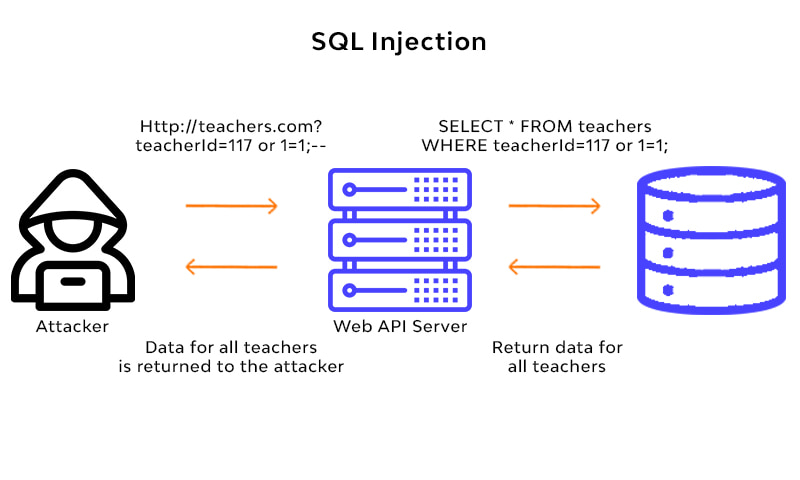
SQL Injection is a code injection technique used to attack data-driven applications. Attackers insert malicious SQL code into input fields, which is then executed by the database, allowing them to access, modify, or delete data.
SQL injection attacks occur when user input is not properly sanitized before being used in SQL queries. This allows attackers to manipulate database queries to their advantage.
Common consequences of SQL injection attacks include:
- Unauthorized access to sensitive data
- Data deletion or modification
- Bypassing authentication mechanisms
- Complete database compromise
WAFs detect SQL injection attempts by analyzing request parameters for SQL keywords, special characters, and suspicious patterns, blocking malicious requests before they reach the application.
What is DDoS
Distributed Denial of Service (DDoS) is a malicious attempt to disrupt the normal traffic of a targeted server, service, or network by overwhelming it with a flood of Internet traffic from multiple sources.
DDoS attacks achieve effectiveness by utilizing multiple compromised computer systems as sources of attack traffic. These systems can include computers and other networked resources such as IoT devices, forming what's known as a botnet.
There are several types of DDoS attacks:
- Volume-based attacks: Overwhelm the target with massive amounts of traffic
- Protocol attacks: Exploit weaknesses in network protocols
- Application-layer attacks: Target specific applications or services
Modern WAFs include DDoS protection capabilities that can detect and mitigate these attacks by filtering traffic, rate limiting, and using advanced algorithms to distinguish between legitimate and malicious traffic.

What is CSRF
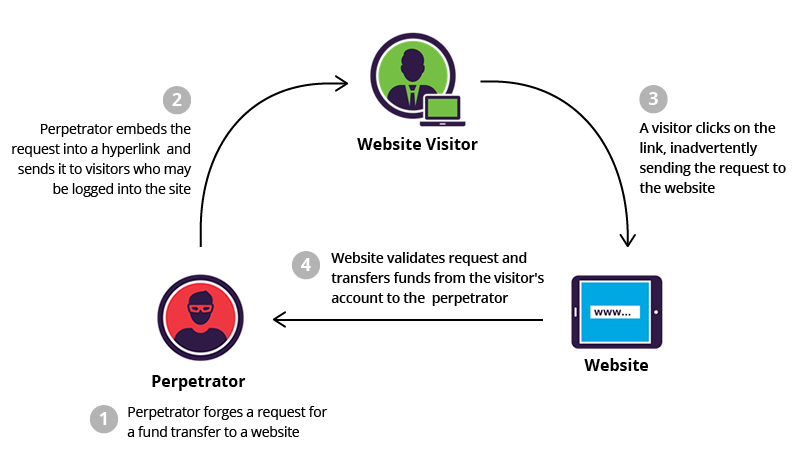
Cross-Site Request Forgery (CSRF) is an attack that forces an end user to execute unwanted actions on a web application in which they're currently authenticated. Unlike XSS, which exploits the trust a user has for a particular site, CSRF exploits the trust that a site has in a user's browser.
CSRF attacks work by tricking a user's browser into making a request to a website where the user is authenticated. The attack leverages the fact that browsers automatically include cookies (including session cookies) with requests to the same domain.
Common CSRF attack scenarios include:
- Changing user account settings (email, password)
- Making unauthorized financial transactions
- Deleting or modifying user data
- Performing actions on behalf of the user
WAFs protect against CSRF by validating request origins, checking for CSRF tokens, and implementing SameSite cookie attributes. They can also detect suspicious cross-origin requests and block them before they reach the application.
What is Bot Attack
Bot attacks are automated attacks performed by software applications (bots) that run automated tasks over the Internet. While some bots are legitimate (like search engine crawlers), malicious bots are designed to exploit vulnerabilities, steal data, or disrupt services.
Malicious bots can perform various harmful activities including credential stuffing, web scraping, inventory hoarding, click fraud, and distributed denial-of-service (DDoS) attacks. They operate at a scale and speed that would be impossible for humans.
Types of bot attacks include:
- Credential stuffing: Using stolen credentials to gain unauthorized access
- Web scraping: Automatically extracting data from websites
- Account takeover: Gaining control of user accounts
- Price scraping: Monitoring and copying competitor pricing
- Fake account creation: Creating fraudulent accounts for spam or fraud
Modern WAFs use advanced bot detection techniques including behavioral analysis, device fingerprinting, CAPTCHA challenges, and machine learning algorithms to distinguish between legitimate users and malicious bots, blocking harmful bot traffic while allowing legitimate automated traffic.

What is API Security
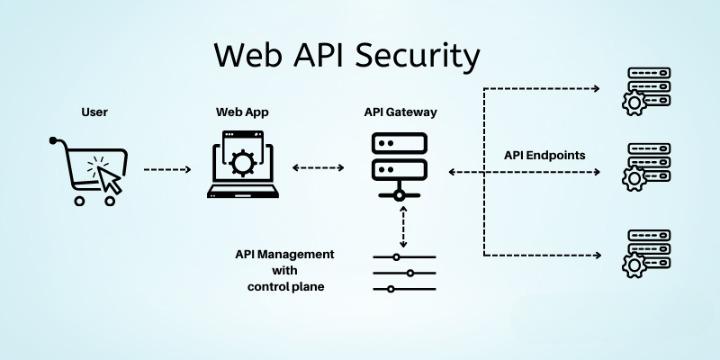
API Security refers to the practices and technologies used to protect Application Programming Interfaces (APIs) from attacks and misuse. As APIs become the primary way applications communicate and share data, they have become a prime target for attackers.
APIs expose application logic and sensitive data, making them attractive targets. Common API security threats include unauthorized access, data exposure, denial of service attacks, and injection attacks specifically designed for APIs.
Key API security concerns include:
- Authentication and authorization: Ensuring only authorized users can access APIs
- Rate limiting: Preventing API abuse and DoS attacks
- Input validation: Protecting against injection attacks
- Data encryption: Securing data in transit and at rest
- API versioning and deprecation: Managing API lifecycle securely
WAFs provide API-specific protection by analyzing API requests, validating API keys and tokens, enforcing rate limits, detecting API-specific attack patterns, and protecting against common API vulnerabilities like broken authentication, excessive data exposure, and lack of resources and rate limiting.
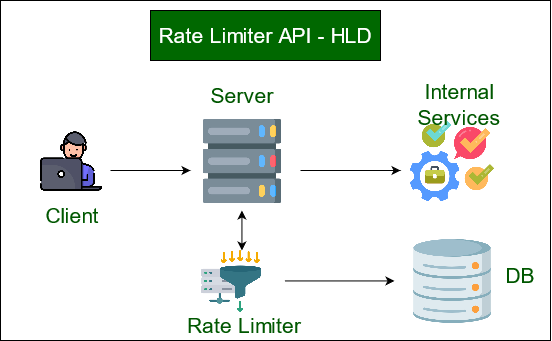
What is Rate Limiting
Rate limiting is a technique used to control the rate of requests sent or received by a network interface controller. It's a critical security mechanism that prevents abuse, ensures fair usage, and protects against denial-of-service (DoS) attacks.
Rate limiting works by restricting the number of requests a user, IP address, or API key can make within a specific time window. When the limit is exceeded, subsequent requests are either blocked, delayed, or returned with an error message.
Common rate limiting strategies include:
- Fixed window: Limits requests per fixed time period (e.g., 100 requests per minute)
- Sliding window: Tracks requests over a rolling time window
- Token bucket: Allows bursts of traffic up to a maximum capacity
- Leaky bucket: Smooths out traffic bursts at a constant rate
WAFs implement intelligent rate limiting that can differentiate between legitimate users and attackers, apply different limits based on user behavior, and dynamically adjust limits based on traffic patterns. This helps prevent brute force attacks, API abuse, and DDoS attacks while maintaining a good user experience for legitimate traffic.
What is Zero-Day Attack
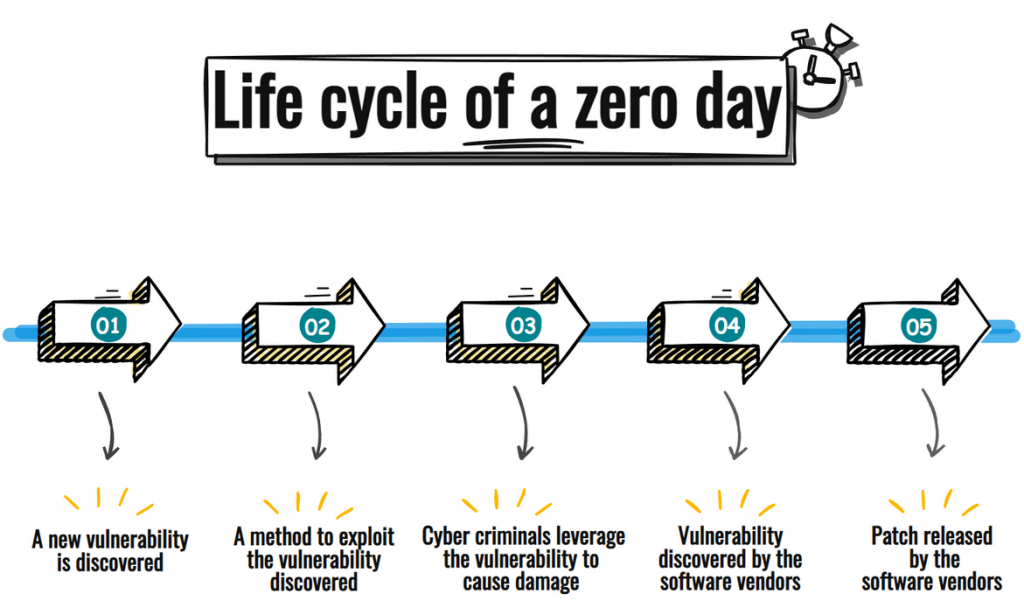
A Zero-Day Attack is a cyber attack that exploits a previously unknown security vulnerability in software or hardware. The term "zero-day" refers to the fact that developers have had zero days to fix the vulnerability since it was discovered, as the attack occurs on the same day the vulnerability is found.
Zero-day vulnerabilities are particularly dangerous because there are no patches or security updates available to protect against them. Attackers who discover these vulnerabilities can exploit them before developers become aware and create fixes.
Characteristics of zero-day attacks include:
- Exploitation of unknown vulnerabilities
- No existing security patches available
- High success rate due to lack of defenses
- Often used in targeted attacks
- Can remain undetected for extended periods
While traditional signature-based security solutions cannot detect zero-day attacks, modern WAFs use behavioral analysis, machine learning, and anomaly detection to identify suspicious patterns and activities that may indicate a zero-day exploit. They can detect unusual request patterns, unexpected application behavior, and anomalies that don't match known attack signatures, providing protection even against previously unknown threats.
How does WAF Protect Against These Threats
A Web Application Firewall (WAF) provides comprehensive, multi-layered protection against the various threats we've discussed. It acts as a security barrier between your web applications and the Internet, analyzing all incoming traffic and blocking malicious requests before they can reach your servers.
Here's how WAFs protect against different types of attacks:
- Signature-based detection: Uses known attack patterns to identify and block threats like SQL injection, XSS, and CSRF
- Behavioral analysis: Monitors traffic patterns to detect anomalies and zero-day attacks
- Rate limiting: Prevents DDoS attacks and brute force attempts by limiting request frequency
- Bot detection: Identifies and blocks malicious bots while allowing legitimate traffic
- API protection: Secures API endpoints with specialized rules and validation
- Real-time monitoring: Provides continuous visibility into threats and attack attempts
- Custom rules: Allows organizations to create specific security policies for their applications
Modern WAFs combine multiple security technologies including machine learning, artificial intelligence, and cloud-based threat intelligence to provide adaptive, real-time protection. They can automatically update their security rules based on emerging threats, ensuring your applications remain protected against both known and unknown attacks.
By implementing a WAF, organizations can significantly reduce their risk of data breaches, service disruptions, and compliance violations, while maintaining optimal application performance for legitimate users.
